🤝How to Build a Support Network in a New Country


TLDR
- Building a support network abroad takes intentional effort and consistent presence.
- Local communities, schools, and shared activities are key entry points.
- Strong networks include both expats and locals for balance and stability.
- Regular routines and repeated interactions help relationships develop naturally.
- A reliable support system improves family wellbeing and long-term success abroad.
Moving to a new country with your family is exciting. It is also, if we’re being honest, a bit disorienting at first. You land, settle into a place, figure out groceries, maybe find a decent coffee spot. But what is missing in the early weeks isn’t infrastructure; it’s people.
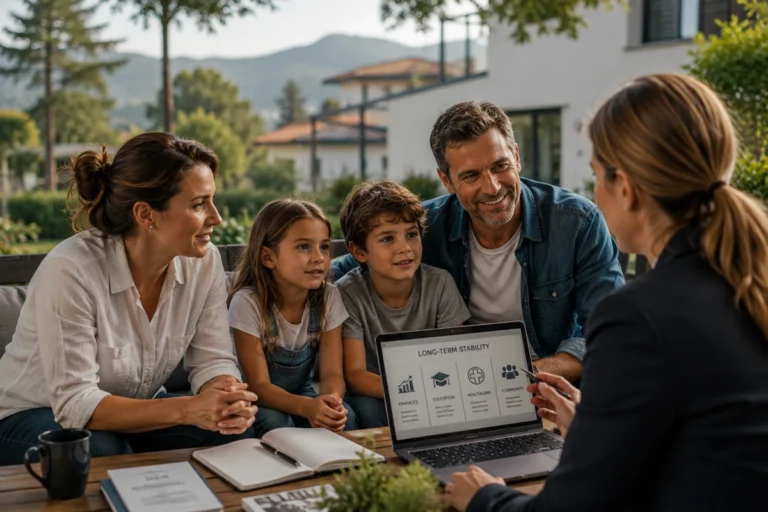
Back home, support networks build themselves over time. Friends, neighbors, school connections, and familiar faces are always there. Abroad, you start from zero. The good news is that making friends abroad is absolutely doable. It just doesn’t happen by accident. You have to approach it with a bit more intention to ensure you are building long-term stability for your household.
🧠 1. Why a Support Network Actually Matters
It is easy to underestimate this part. An expat support network isn’t just about socializing; it plays a direct role in your mental wellbeing, your kids’ adjustment, and even your ability to handle everyday challenges.
Research from the APA indicates that social isolation has significant health risks, which is why finding community in new country environments is a top priority for an expat father. For families, it is even more important. Kids benefit from social interaction and a sense of belonging. Having people you can rely on makes daily life smoother and helps in preventing burnout while raising kids abroad.
| Benefit | Impact on Expat Life |
| Emotional Support | Reduces feelings of isolation and culture shock. |
| Practical Help | Emergency childcare, local recommendations, or move-in help. |
| Information Sharing | Best doctors, schools, and tax advice for the area. |
| Safety | More eyes on your home and family in a new environment. |
🏘️ 2. Start With Your Immediate Environment
You don’t need to look far at the beginning. Your first layer of connection usually comes from your immediate surroundings. Neighbors, building staff, and local shop owners are your first step toward building an expat social circle from scratch.
Simple interactions matter. Saying hello regularly, engaging in small conversations, and remembering names build trust over time. These early connections often become surprisingly valuable practical anchors. It is much easier to manage the real challenges of raising children abroad when you have a friendly neighbor to turn to.
🧒 3. Use Your Kids as a Bridge
If you have children, you already have one of the most effective ways of making friends abroad. Schools, playgroups, and sports activities naturally bring families together. Parents talk while kids connect.
- School Gates: The daily drop-off is a prime time for networking for expatriates.
- Language Learning: Engage with other parents while your kids are learning multiple languages abroad.
- Extracurriculars: Sports and arts clubs provide a shared interest for parent-child bonding.
💡 Expert Tip: Consistency is key. Showing up regularly allows relationships to develop over time. One-off interactions rarely lead to anything lasting.
🏗️ 4. Find Structured Communities
While organic connections are great, structured environments make finding community in new country settings easier in the early stages. Joining clubs as expat members provides repeated interactions with the same people.
Recommended Structured Groups:
- Language Classes: Essential for those trying to create a bilingual home environment.
- Coworking Spaces: Great for parents managing remote work and seeking professional peers.
- Fitness Groups: Running clubs or yoga studios.
- Hobby Clubs: Photography, cooking, or book clubs.
This repetition reduces the awkwardness of first meetings and gives conversations room to grow naturally.
🌍 5. Connect With Other Expats, But Don’t Stop There
Other expats understand what you are going through. They’ve been through the same adjustments and frustrations. Connecting with them through support groups for expat families provides immediate comfort and practical advice, such as choosing a homeschool curriculum while overseas.
However, relying only on expat circles can limit your experience. Local connections offer deeper integration. A balanced expat support network includes both expats and locals to give you both comfort and context. Understanding the difference between community vs. isolation abroad is vital for long-term happiness.
🗣️ 6. Learn the Basics of the Local Language
You don’t need to be fluent, but even basic language skills make a massive difference in your networking for expatriates. Being able to handle simple greetings signals respect for the local culture. It also helps you avoid common mistakes expat parents make when navigating local bureaucracy or health systems.
| Effort Level | Social Outcome |
| Greeting Only | Basic politeness and recognition. |
| Simple Transactions | Independence at markets and shops. |
| Small Talk | Building trust and deeper neighborly bonds. |
| Fluency | Full integration and access to local support systems. |
⏳ 7. Be Consistent, Not Intense
Making friends abroad isn’t about making a strong impression once; it’s about showing up repeatedly. Give it time. Relationships grow through repetition, not pressure. It is important to socialize even as a homeschooled expat child or a remote-working dad.
According to research in social relationship stability, consistent, low-intensity interaction is more likely to result in long-term bonds than high-intensity, infrequent events.
☕ 8. Create Your Own Small Gatherings
Sometimes, waiting for invitations can slow things down. Building expat social circle strength often requires you to take the lead. Hosting something simple can help:
- A casual coffee morning.
- A small dinner for one or two families.
- A weekend meet-up at a local park.
It doesn’t need to be elaborate. The goal is to create a space where people can interact freely. This is a great way to meet other parents who are balancing travel and education just like you are.
🛡️ 9. Safety and Resilience Through Connection
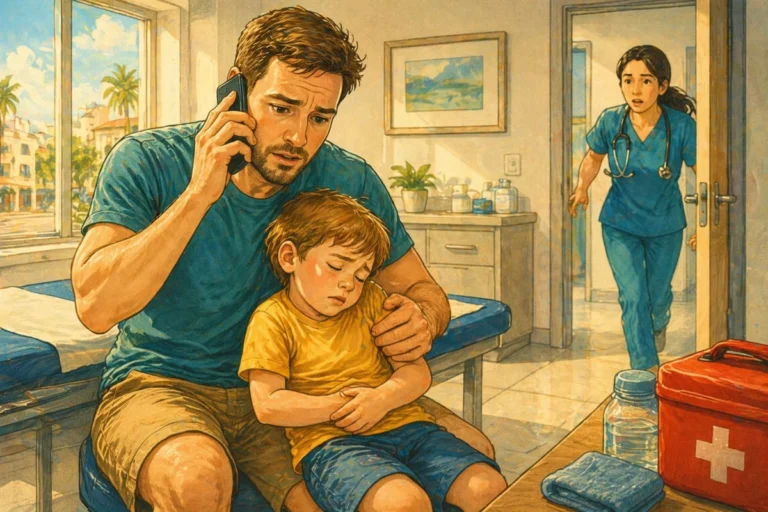
A network isn’t just for fun; it’s for security. Knowing who to call in a crisis is a fundamental part of safety for travelers and nomads.
Support Network Security Checklist:
- Emergency Contact: A local friend who can help if you are hospitalized.
- School Backup: A parent who can pick up your kids in an emergency.
- Financial Peer: Someone to discuss expat money management or local banking issues with.
- Health Resource: Someone who knows where to find English-speaking doctors.
👫 10. Involve Your Partner in the Process
If you are moving as a couple, finding community in new country environments shouldn’t fall on one person. Sharing the effort makes it more sustainable and expands your reach. Each of you will connect with different people through work, hobbies, or kid-related events.
Building a support network is a team effort, much like managing culture shock as a father. When both partners are active in joining clubs as expat members, the family network becomes more resilient.
🏁 Final Thoughts: Recognize When You’ve Built Enough
A support network doesn’t need to be large; it needs to be reliable. A few people you trust and some familiar faces in your daily routines are enough.
Start small. Stay consistent. Over time, what begins as a few simple interactions turns into something solid. Once that network is in place, you’ll see the signs that your child is thriving abroad, and you will feel far more grounded in your new home.
Have you already found a “go-to” local spot where people recognize you, or are you still in the exploration phase of building your circle?