🚀 Signs Your Child Is Thriving Abroad


TLDR
- Children thriving abroad often show strong adaptability and comfort in brand-new environments.
- Growing language skills and deep cultural awareness are clear signs of positive development.
- Emotional stability, genuine curiosity, and local social engagement indicate healthy psychological adjustment.
- Personal independence and real-world problem-solving abilities tend to develop faster in international settings.
- Consistent daily routines combined with new experiences help children feel both secure and stimulated.
Raising kids abroad always comes with a quiet, persistent question that sits right in the back of your mind. Are they actually doing well out here?
You want to know the truth, not just about their academic scores, but about their development as whole human beings. Are they successfully adapting, growing, and building a solid foundation for their future, or are they just along for the ride while you figure out the logistics?
The tricky part is that children rarely hand you a neat, official report card for life in a foreign country. There is no weekly digital notification sent to your phone that guarantees everything is on the right track.
Instead, you have to learn to notice subtle behavioral patterns. These patterns start small at first, but over time, they tell an incredibly clear story about your child’s well-being.
🏃♂️ They Adapt Faster Than You Expected
One of the earliest and most encouraging signs your child is thriving abroad is how quickly they adjust to entirely new environments. While adults often struggle with unfamiliar bureaucratic systems, language barriers, and broken daily routines, children possess a remarkable ability to absorb massive lifestyle changes naturally.
If your child appears comfortable navigating new neighborhoods, trying unfamiliar local foods, or calmly interacting with people who speak a different native language, that is a fantastic indicator. It means they are building a healthy psychological immunity to change.
Of course, this does not mean that you will never experience tough days, emotional tear-filled afternoons, or moments of intense homesickness. But overall, you will notice a general willingness to actively engage with the new country rather than completely withdrawing into their bedroom.
Expert Tip
Watch how your child reacts to small disruptions in their favorite meals. A thriving child abroad will eventually look at unusual ingredients with curiosity rather than instant emotional distress.
🗣️ Language Skills Start to Emerge Naturally
For a vast majority of international families, accelerated foreign language development is one of the primary motivations for moving overseas. A thriving child abroad typically begins picking up the local dialect in a very gradual, unforced, but entirely noticeable way.
At the very beginning, it might just be simple vocabulary words for food or toys. Then, it transforms into short, broken phrases used with local shopkeepers. Eventually, they start effortlessly understanding complex neighborhood conversations, even if they are not fully fluent yet.
When observing this growth, technical perfection matters significantly less than general emotional comfort. When your child is completely willing to try speaking the local tongue, despite making hilarious grammatical mistakes, it demonstrates incredible inner confidence.
- Linguistic Play: Watch if they mimic local accents or use regional slang phrases during independent playtime.
- Passive Listening: Notice if they look toward local background conversations with genuine understanding rather than blank confusion.
- Social Courage: Pay attention to their willingness to order their own treats at a neighborhood bakery without turning to you for help.
🧭 They Show Curiosity About Their Surroundings
Genuine curiosity is an exceptionally powerful psychological signal when measuring expat child adjustment. Children who are doing genuinely well overseas tend to ask an endless stream of analytical questions about what they see happening around them.
They will naturally notice the subtle differences in local culture, daily street routines, and community life. They might ask why people eat specific foods for breakfast, why the city traffic flows differently, or why the local parks look distinct from what they remember.
These repetitive questions prove that your child is actively, deeply processing their new environment rather than just passively observing it from a distance. That level of cognitive engagement always leads to much deeper subconscious learning over time.
Read More
If you want to understand how deep daily observation shapes long-term identity, explore our guide on raising children abroad the real challenges to help them navigate these structural shifts.
🤝 Social Connections Begin to Form
One of the most intense, exhausting worries that expat parents face is whether their children will be able to build deep, meaningful friendships in a completely foreign environment. The good news is that young kids are frequently much more socially flexible and resilient than adults.
If your child is actively forming local connections, even incredibly simple ones that do not involve shared language, it is one of the premier signs child adjusts well overseas. These international friendships might look vastly different from the traditional school yard connections you grew up with.
They could be informal neighborhood playmates, casual language exchange partners at the local park, or kids from a diverse international community. The exact institutional structure of the friendship does not matter anywhere near as much as the simple presence of positive, repetitive human interaction.
| Type of Connection | Behavioral Indicator | Benefit to Child |
| Playground Peers | Communicating using hand gestures and laughter | Removes fear of foreign language environments |
| Local Shopkeepers | Greeting neighbors using short regional phrases | Builds strong community belonging and safety |
| Activity Partners | Participating in sports or arts with local kids | Encourages shared passion over cultural differences |
🌊 Emotional Stability Feels Consistent
Living an adventurous life abroad can be undeniably exciting, but it also comes with unavoidable waves of sudden change, logistical uncertainty, and personal displacement. Children who are secretly struggling with these shifts often communicate their internal distress through extreme mood swings, total social withdrawal, or ongoing behavioral frustration.
On the flip side, a happy expat child indicators include a relatively stable, predictable emotional baseline over several weeks. They will still experience normal childhood ups and downs, temper tantrums, and bad days, of course.
But overall, a well-adjusted child seems fundamentally comfortable, secure in their family unit, and fully capable of handling everyday worldly challenges without experiencing constant anxiety. This beautiful emotional stability usually reflects a highly functional household balance between exciting new experiences and comforting, predictable daily routines.
Read More
To discover how to successfully establish these calming, protective structures within your own household, check out our detailed analysis of daily routines that work for expat families to reduce daily friction.
🦁 They Become More Independent
Personal independence tends to develop at an accelerated pace when children are brought up in unique international environments. When young kids are constantly exposed to completely new societal systems, different cultural expectations, and unfamiliar real-world situations, they learn to figure things out on their own.
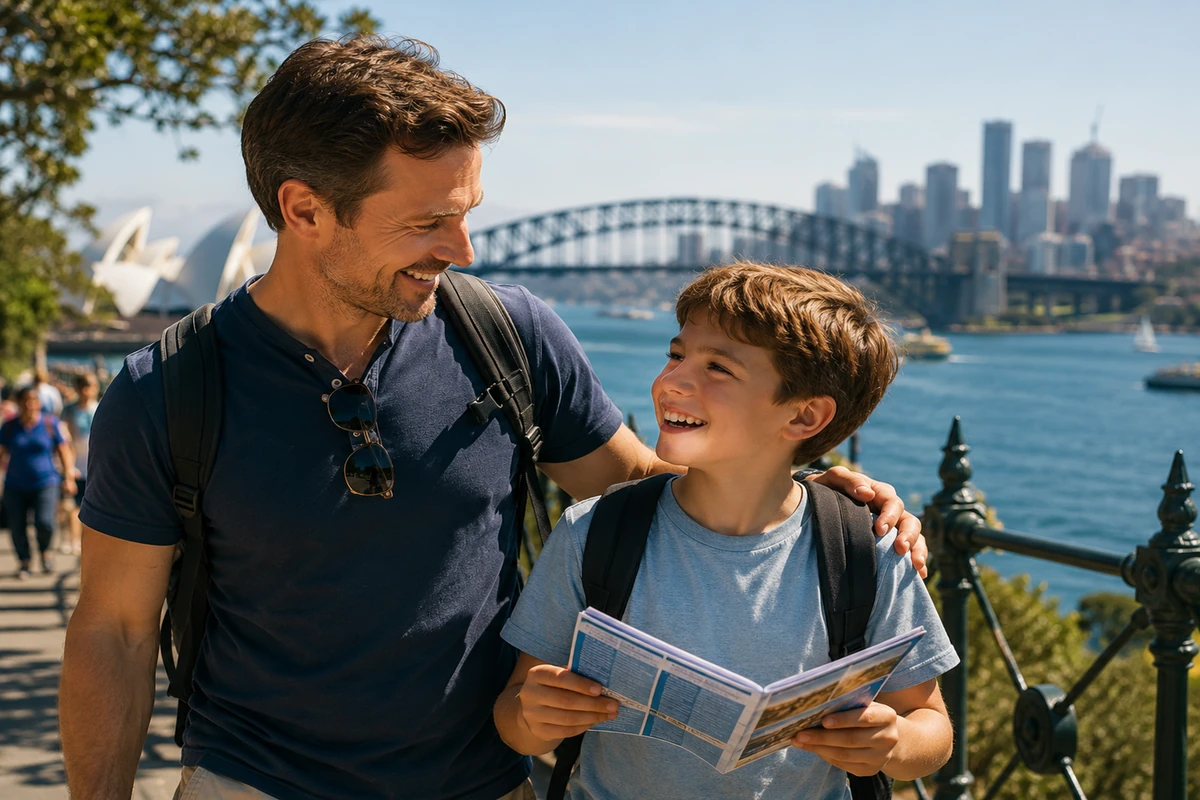
You will likely begin to notice your child taking personal initiative in small, surprising ways. This could show up as confidently ordering their own dinner, managing their own travel backpacks, or helping complete daily household responsibilities without being asked multiple times.
These small, isolated moments of bravery quickly add up over the course of a single year abroad. Over time, they build an incredibly strong foundation of self-reliance and deep confidence, which are both essential indicators of long-term psychological growth.
- Task Ownership: Managing their own clothing packing lists for cross-border trips.
- Public Navigation: Leading the family through a familiar local market or subway station exit.
- Self-Regulation: Setting up their personal study area abroad without constant parental reminders.
🧩 Problem-Solving Skills Improve
Closely intertwined with personal independence is the rapid advancement of real-world problem-solving skills. Children living an international lifestyle frequently encounter daily situations that do not come with clear, pre-packaged instructions or familiar safety nets.
Dealing with unexpected language barriers, subtle cultural misunderstandings, and unfamiliar public transit systems requires a healthy dose of creative thinking. If your child starts approaching these sudden real-world challenges with a calm, solution-focused mindset, you have found an indicators of well-adjusted expat kid.
Instead of immediately breaking down or screaming for parental assistance, they will try a few creative options on their own first. This cognitive shift certainly does not happen overnight, but when it finally manifests, it is incredibly valuable for their adult life.
Expert Tip
When your child hits a minor roadblock abroad, wait exactly sixty seconds before stepping in to help. This tiny pocket of time allows them to activate their own cross-cultural problem-solving skills.
🎒 Learning Feels Natural, Not Forced
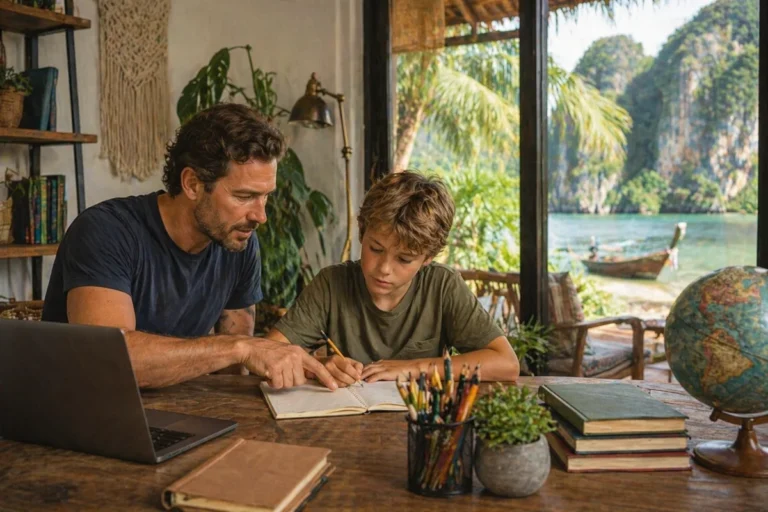
One of the most fascinating behavioral patterns observed among thriving overseas children is how fluidly learning integrates directly into their everyday lives. Education stops being limited to a specific morning time block, a rigid textbook, or a formal classroom setting.
Instead, true learning becomes a natural byproduct of their lifestyle through daily conversations, unique cultural experiences, and active geographical observations. A simple family morning trip to a hectic local market instantly transforms into an advanced math and currency lesson.
A casual conversation with an elderly neighbor becomes high-stakes language practice, and weekend travel becomes geography in motion. When education feels completely integrated rather than forced by an anxious parent, children naturally retain information much more effectively.
Read More
If you want to move away from rigid, stressful testing methods and explore organic tracking, read our comprehensive guide on how expat families evaluate education outcomes to keep your home studies accurate but stress-free.
👑 They Maintain a Strong Sense of Identity
Continuous immersion in a foreign culture exposes children to a beautiful tapestry of different worldview perspectives and societal values. While this global exposure is a massive intellectual advantage, it can occasionally raise complex personal questions regarding a child’s internal identity.
A thriving child abroad usually develops a brilliant, healthy sense of personal balance as they grow up. They will enthusiastically engage with the local culture outside the house while still maintaining a deep, loving connection to their family’s background, home country history, and core values.
This balanced identity development never happens entirely automatically; it requires careful parental cultivation. If you want to dive deeper into supporting this internal balance as your child matures, look over our roadmap on adapting education as your child grows older to keep your parenting methods fully aligned with their changing emotional needs.
- Cultural Blending: Proudly sharing home country traditions with new neighborhood friends.
- Value Consistency: Expressing the family’s core moral principles in foreign social settings.
- Historical Pride: Showing ongoing curiosity about their extended family history back home.
🧳 They Handle Transitions Better Over Time
The international lifestyle often involves a significant amount of logistical movement, shifting schedules, and periodic travel. This means adjusting to new temporary homes, altered weekly routines, and sometimes even completely new countries.
Children who are truly doing well overseas tend to become noticeably more comfortable with these macro transitions over time. The very first international move your family makes might feel incredibly difficult, disruptive, and emotionally taxing for a young child.
However, with each subsequent journey, they adapt a little bit faster, settle into their new bedrooms more easily, and approach change with far less emotional resistance. This high level of personal adaptability eventually becomes one of their greatest competitive advantages as adults.
| Relocation Phase | Initial Reaction | Long-Term Thriving Behavior |
| Packing Up | High anxiety and sadness | Viewing packing as an exciting puzzle |
| Arrival Day | Total emotional exhaustion | Eagerly exploring the new room layout |
| First Week | Constant requests to go back | Seeking out local parks and play spaces |
🪁 They Still Enjoy Simply Being Kids
Amid all the parental focus on language acquisition, cultural immersion, and advanced education, there is one beautifully simple indicator that trumps everything else. They are genuinely happy, playful, and carefree.
They consistently play, laugh loudly, explore their surroundings with joy, and find absolute delight in the simple elements of daily life. Thriving as an international family does not mean your child must display constant academic productivity, fluent bilingualism, or elite achievements at every turn.
It simply means your child is growing beautifully while still experiencing the essential psychological freedom and pure joy that childhood should always include. If that healthy emotional balance is visible in your home, you can rest easy knowing you are on the right track.
Expert Tip
Schedule regular days where no educational goals, language practices, or cultural excursions are planned. Let your child guide the entire day simply using their own playful imagination.
👁️ A Small Personal Observation
After spending several years closely observing how different global families navigate this unique lifestyle, one distinct truth becomes incredibly apparent. True developmental thriving is rarely a dramatic, cinematic transformation.
It almost never shows up as a sudden, loud announcement or a perfect milestone achievement that you can brag about on social media. Instead, it manifests in tiny, consistent, everyday behaviors that are remarkably easy for busy parents to overlook if they aren’t paying attention.
It is found in the quiet confidence of a child who politely greets a local street vendor in their own language without prompting. It is visible when a child explores an unfamiliar city street without showing signs of fear, or when they ask a deeply empathetic question about how people live on the other side of the world.
When you actively train yourself to spot these small moments, a beautiful story of resilience unfolds.
Read More
If you are looking to secure long-term emotional peace of mind for your household, read our insights on how expat families build long-term stability across changing borders.
🏁 Conclusion
Knowing how to know if child is thriving abroad does not require a highly complicated psychological checklist or rigid institutional testing. It requires stepping back and watching how your child naturally interacts with the complex world around them on a daily basis.
When you steadily see genuine curiosity, rising social confidence, and a growing sense of personal independence, it serves as a powerful confirmation that your family’s global lifestyle is having a profoundly positive impact on their future.