🏠How to Maintain Family Traditions While Living Overseas


TLDR
- Family traditions provide emotional stability and identity for children living abroad.
- Consistency matters more than perfection when maintaining traditions overseas.
- Adapt traditions to fit your new environment instead of trying to replicate them exactly.
- Involve children actively so traditions stay meaningful as they grow.
- Blend home and host cultures to create a richer, long-term family identity.
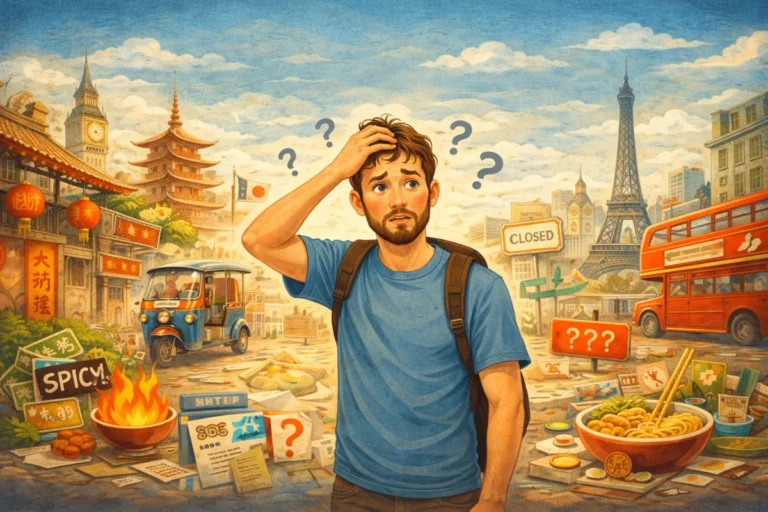
When you move your family overseas, a lot changes at once. New language, new routines, different social norms. For kids especially, that can feel like the ground shifting under their feet. This is where family traditions abroad quietly do their work. They create continuity. They remind your kids that while the environment changes, the core of family life stays the same.
Research in child development consistently shows that predictable family rituals contribute to emotional security and a sense of belonging. That becomes even more relevant when children are navigating unfamiliar cultural environments.
These rituals act as anchors, much like the daily routines that work for expat families who manage to balance travel and stability.
🎯 Focus on the Traditions That Actually Matter
Not every tradition needs to make the move with you. Trying to recreate everything exactly as it was back home usually leads to frustration. Instead, focus on the traditions that carry real meaning for your family. These are usually the ones tied to connection rather than logistics.
Think about what your kids remember most. It’s rarely the exact meal or the precise timing. It’s the feeling. The togetherness. When we first moved abroad, I realized quickly that trying to replicate every holiday detail was exhausting.
But keeping just a few key rituals made everything feel familiar again. This is a core part of managing culture shock as a father living abroad.
| Tradition Type | Focus Area | Why it Matters |
| Daily | Breakfast/Bedtime | Immediate Security |
| Weekly | Movie Night/Local Park | Community Connection |
| Annual | Major Holidays | Heritage & Identity |
🌍 Adapt, Don’t Replicate
One of the biggest mindset shifts is accepting that traditions will look different abroad. And that’s not a problem. You might not find the same ingredients for a holiday meal, or the climate might be completely different. Keeping family traditions overseas is not about rigid adherence to the past; it’s about evolution.
Adapting traditions to your new environment is not losing them. It’s growing them. If a winter holiday used to involve snow and heavy meals, you might now celebrate in warm weather with lighter food. The setting changes, but the intention remains.
This flexibility is vital when how expat families balance travel and education becomes a central part of your lifestyle.
🥁 Keep a Predictable Rhythm
Consistency matters more than scale. A small, repeated tradition often has more impact than a big, occasional event. Weekly routines are especially powerful. Family dinners, weekend outings, or even a regular movie night can become stabilizing rituals.
These don’t require much planning, but they create a sense of structure. Over time, your kids begin to rely on them. Living abroad often brings unpredictable schedules. That makes predictable family moments even more valuable, especially when preventing burnout while raising kids abroad.
Expert Tip: Set a “non-negotiable” family night once a week. No matter the time zone or work schedule, this block is protected for connection.
🍲 Use Food as a Cultural Bridge
Food is one of the easiest ways of maintaining heritage in expat families. It’s also one of the most effective. Preparing familiar meals from your home country reinforces cultural identity. At the same time, introducing local dishes helps your children integrate into their new environment.
This combination matters. Studies on bicultural identity show that children benefit from maintaining connections to their heritage while also engaging with the host culture.
Blending cultural customs expat family style might look like cooking a traditional Sunday roast while exploring local street food on Fridays. This is as important as creating a bilingual home environment abroad for overall development.
🎄 Celebrate Holidays With Intention
Holidays can feel different when you’re far from extended family or familiar surroundings. But they don’t have to lose their significance. When celebrating holidays abroad with kids, focus on the core elements. What are you actually celebrating? What do you want your kids to remember?
In some countries, your home-country holidays won’t be recognized at all. That can actually be an advantage. You get to define the experience without external pressure. On the flip side, embracing local holidays can add richness to your family life.
Over time, your family calendar becomes a blend of both worlds, providing a unique set of multicultural holiday ideas for expats.
Read More: Raising bilingual children without formal schooling
🙋♂️ Involve Your Kids in Keeping Traditions Alive
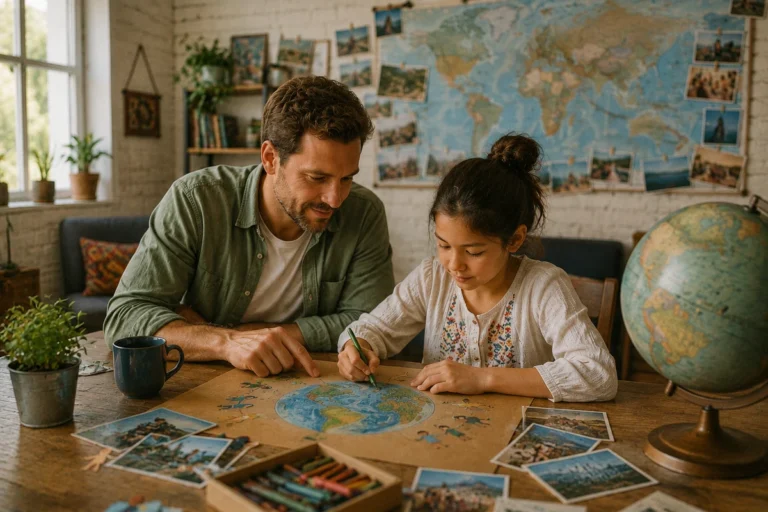
Traditions work best when children feel like participants, not observers. As your kids grow, give them a role in maintaining family rituals. Let them help plan celebrations, choose activities, or even create new traditions.
This sense of ownership makes traditions more meaningful. It also ensures they evolve naturally as your family changes. I’ve noticed that when kids contribute ideas, traditions stick. This engagement helps in how children naturally acquire multiple languages abroad, as they associate the language with positive, shared rituals.
| Age Group | Traditional Role | Benefits |
| Toddlers | Simple Decorating | Sensory association |
| Children | Meal Prep/Music choice | Active Participation |
| Teens | Event Planning/Logistics | Leadership & Identity |
💻 Stay Connected With Extended Family
Keeping family traditions overseas often involves staying connected to family back home. Technology makes this easier than it used to be. Video calls during holidays, shared celebrations across time zones, or even sending small packages can reinforce those connections.
These interactions help your children maintain relationships that are part of their identity. Even a short call during a special occasion can make a difference. This continuity helps them navigate long-term identity development for third culture kids by bridging the gap between their current home and their roots.
✨ Create New Traditions Based on Your Current Life
One of the overlooked advantages of living abroad is the opportunity to create entirely new traditions. These can be tied to your new environment. Maybe it’s a monthly trip to a local market, a regular beach day, or exploring nearby towns together.
New traditions help your children build positive associations with their current home. They also prevent life from feeling like a temporary stop. This is a practical way of maintaining heritage in expat families—by adding new layers to the family story.
It aligns well with the OPOL method explained for expat families, as specific traditions can be linked to specific languages.
🔄 Accept That Traditions Will Evolve
Family traditions are not fixed. They change as your children grow, as your location changes, and as your family dynamic shifts. Trying to keep everything exactly the same often leads to unnecessary pressure. It’s better to focus on maintaining the spirit of your traditions rather than the exact details.
This flexibility is especially important for expat cultural traditions. Your environment will likely change more than once. What stays constant is your intention to create connection, stability, and shared experiences.
Read More: How expat families manage money across multiple countries
⚖️ Balance Structure With Flexibility
There’s a balance to strike here. Too much rigidity can make traditions feel forced. Too much flexibility can make them disappear. Aim for a middle ground. Keep the core elements consistent, but allow the details to shift based on your circumstances.
For example, a weekly family dinner can stay consistent, even if the location or menu changes. This approach keeps traditions alive without making them a burden. It’s a key strategy for how expat families evaluate education outcomes, as it allows for a “check-in” point in a relaxed, familiar setting.
🚀 Why This Matters Long-Term
Children who grow up abroad often develop a “third culture” identity. They don’t belong entirely to one culture, but rather a mix of several. Family traditions abroad play a key role in shaping that identity. They provide a stable reference point amid changing environments.
Over time, these traditions contribute to a stronger sense of self. They help children understand where they come from, even as they adapt to new places. From a long-term perspective, this is one of the most valuable things you can give your kids.
Expert Tip: Keep a “Tradition Journal” where you record the hybrid rituals you’ve created. It becomes a powerful family heirloom.
✅ Conclusion
Maintaining family traditions overseas isn’t about recreating the past perfectly. It’s about preserving what matters and adapting it to your current life. Focus on meaning over detail. Keep things consistent but flexible. Involve your kids, and don’t be afraid to create something new along the way.
Living abroad gives your family a unique opportunity to build traditions that are both rooted and evolving. In the end, your kids won’t remember whether everything was exactly the same as back home.
They’ll remember how it felt to belong, no matter where you were. That sense of belonging is the ultimate sign that your signs your child is thriving abroad are right on track.