🌎Top 5 Worldschooling Hubs in Latin America


TLDR
- Medellín, Mexico City, Cuenca, Antigua, and Florianópolis stand out as the leading locations for global education in the region.
- The most successful destinations combine reliable digital infrastructure, strong family networks, affordable living, and deep cultural immersion.
- Access to reliable coworking spaces, active home education groups, organic language acquisition, and quality healthcare are essential for long-term success.
- Global education thrives when children learn actively through daily real-world experiences while maintaining a solid sense of structure and routine.
- Choosing the right destination depends heavily on selecting a geographic base where your entire household can experience long-term stability.
Worldschooling has officially moved far beyond being a temporary, niche lifestyle choice. What was once associated with a handful of highly adventurous, transient families has rapidly grown into a highly practical alternative for intentional parents who want more flexibility, immersive cultural exposure, and direct control over their children’s development.
For anyone navigating the responsibilities of what is an expat father, this unique educational lifestyle sits right at the intersection of several competing goals. You want your kids to experience diverse cultures firsthand, develop deep personal independence, and build cross-cultural adaptability.
At the same time, you still absolutely require stable internet connections, access to decent healthcare facilities, manageable monthly expenses, and a supportive local network that understands what you are trying to build.
Not every beautiful location checks those vital operational boxes. A city can look stunning on a travel blog and still turn out to be an incredibly difficult place to live as a family long term.
Likewise, a location can feature excellent physical infrastructure but completely lack the community spirit and everyday educational resources that make nomadic lifestyle choices sustainable.
As we navigate 2026, several standout destinations across Latin America for families continue to draw location-independent parents who are eager to blend remote professional work with experiential learning.
🛠️ What Makes a Great Worldschooling Hub?
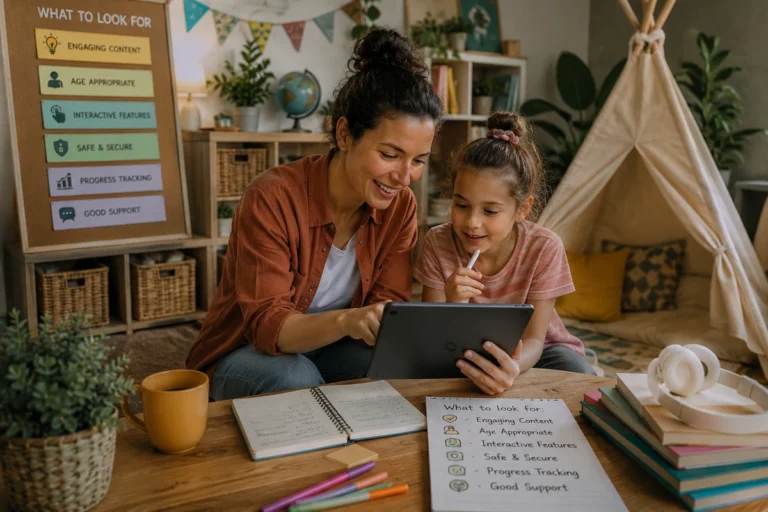
Before mapping out specific cities, it is critical to define exactly what metrics matter most when settling down with a family. A truly functional global learning base is rarely just the cheapest destination on the map, nor is it simply the coastal town with the highest concentration of transient tourists.
The absolute strongest worldschooling hubs typically offer a balanced combination of high-speed digital connectivity, accessible international healthcare systems, affordable living costs relative to Western capitals, and inherently safe, family-friendly neighborhoods.
Furthermore, the presence of localized educational resources, authentic language immersion opportunities, and an established, welcoming circle of international families will ultimately dictate whether your stay feels like a stressful logistical scramble or an enriching lifestyle upgrade.
Expert Tip: Children benefit immensely from geographical adventure, but they also require consistent daily predictability to thrive emotionally. The most effective hubs allow parents to establish clear routines while still providing ample opportunities for real-world exploration.
| Hub Feature | Impact on Family Success |
| High-Speed Fiber Internet | Allows parents to manage remote work without cross-timezone friction. |
| Active Homeschooling Networks | Combats isolation and ensures natural peer socialization for children. |
| Walkable Neighborhoods | Simplifies daily logistics, reducing the need for private vehicles. |
| Local Extracurriculars | Offers organic spaces for sports, arts, and deep language acquisition. |
Maintaining a balanced lifestyle means finding a place where you can manage your work obligations without sacrificing your children’s developmental needs. Many families struggle when they prioritize sightseeing over the boring details of daily life, leading to rapid burnout.
🇨🇴 1. Medellín, Colombia
Medellín has held a prominent spot on digital nomad itineraries for over a decade, but its specific appeal for digital nomad families Mexico or Colombia bound has shifted significantly toward long-term family living.
Nestled comfortably in the Aburrá Valley, the “City of Eternal Spring” offers a compelling blend of modern urban infrastructure, temperate year-round weather, highly efficient public transit, and a rapidly expanding international community. Families can navigate the urban landscape easily using the clean metro and cable car systems, which simplifies daily commutes and family outings.
Educational travel hubs require spaces where learning happens organically outside of a traditional classroom, and Medellín delivers this perfectly. Children can spend their weeks exploring the interactive exhibits at Parque Explora, roaming the lush paths of the Botanical Garden, or participating in bilingual workshops at various public libraries and cultural centers.
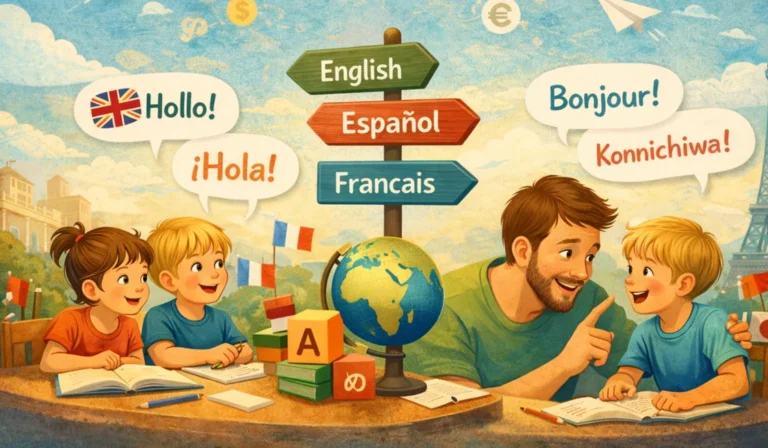
This constant public engagement provides a fantastic canvas for how kids naturally acquire multiple languages abroad without relying solely on tedious textbook memorization.
Medellín Highlights:├── Neighborhoods: El Poblado, Laureles, Envigado├── Internet: Highly reliable fiber optic network (100+ Mbps common)├── Transit: Metro, Metrocable, and highly affordable ride-sharing└── Community: Active WhatsApp and Facebook worldschooling groupsFurthermore, living in Medellin with kids provides immediate access to excellent private medical facilities, modern co-working hubs, and high-quality housing options at a fraction of the cost of North American cities. It remains an incredibly well-balanced base for families seeking a vibrant, culturally rich South American experience without sacrificing modern comforts.
🇲🇽 2. Mexico City, Mexico
Mexico City frequently surprises parents who arrive expecting nothing but intense congestion, urban chaos, and overwhelming crowds. While this massive global metropolis certainly possesses the high-energy pulse of a capital city, it also provides an unparalleled level of historical, cultural, and scientific educational value.
From a practical home education perspective, it stands out as one of the single richest, most stimulating learning environments in the entire Western Hemisphere.
The sheer volume of world-class museums, historical sites, and cultural institutions can easily keep curious minds engaged for months at a time. Topics like ancient anthropology, Mesoamerican history, modern art, architectural design, and complex food sociology are woven directly into the fabric of everyday life.
For families utilizing online learning platforms, integrating these physical visits is a perfect example of how to combine online learning with real-world education to truly cement these academic concepts.
- World-Class Immersive Learning: Immediate access to landmarks like the National Museum of Anthropology and Chapultepec Park.
- Unmatched Travel Connectivity: Benito Juárez International Airport offers direct flights to virtually every global destination.
- Diverse Neighborhood Dynamics: Areas like Condesa, Roma, and Coyoacán feature beautiful walkable parks and tree-lined streets.
- Established Global Community: Countless worldschooling communities 2026 groups host weekly meetups, museum tours, and park dates.
While monthly living costs vary dramatically depending on your chosen neighborhood and lifestyle preferences, the city easily accommodates a broad range of budgets. For parents who want their children to dive deep into history and Spanish immersion while maintaining absolute top-tier connectivity for remote businesses, CDMX is tough to beat.
🇪🇨 3. Cuenca, Ecuador
Cuenca consistently attracts a slightly different profile of location-independent parent. While it may lack the massive scale or flashy international profile of major capital cities, it excels at providing the one thing that veteran traveling parents value above all else: pure daily simplicity.
Known throughout the region for its exceptional walkability, calm lifestyle pace, refreshing mountain climate, and deeply supportive expat presence, it is a phenomenal hidden gem for worldschooling hubs.
For younger children, navigating daily life in Cuenca feels far more manageable and significantly less overwhelming than living in a sprawling megacity. Families can effortlessly establish healthy routines while enjoying rich exposure to local culture. The beautifully preserved historic center acts as a living history lesson, while the surrounding natural parks offer limitless opportunities to explore South American ecology.
Read More: For an in-depth analysis of how adjusting your budget in smaller Andean cities can dramatically extend your family’s financial runway, review this specific look at affordable living options in Latin America.
The local cost of living is another massive benefit that draws families here. Housing, fresh local food markets, healthcare services, and everyday transportation are incredibly affordable, allowing parents to focus more on family bonding and less on stretching their income.
If you want to avoid urban sensory overload and focus on building a calm, connected family life, Cuenca provides a perfect environment.
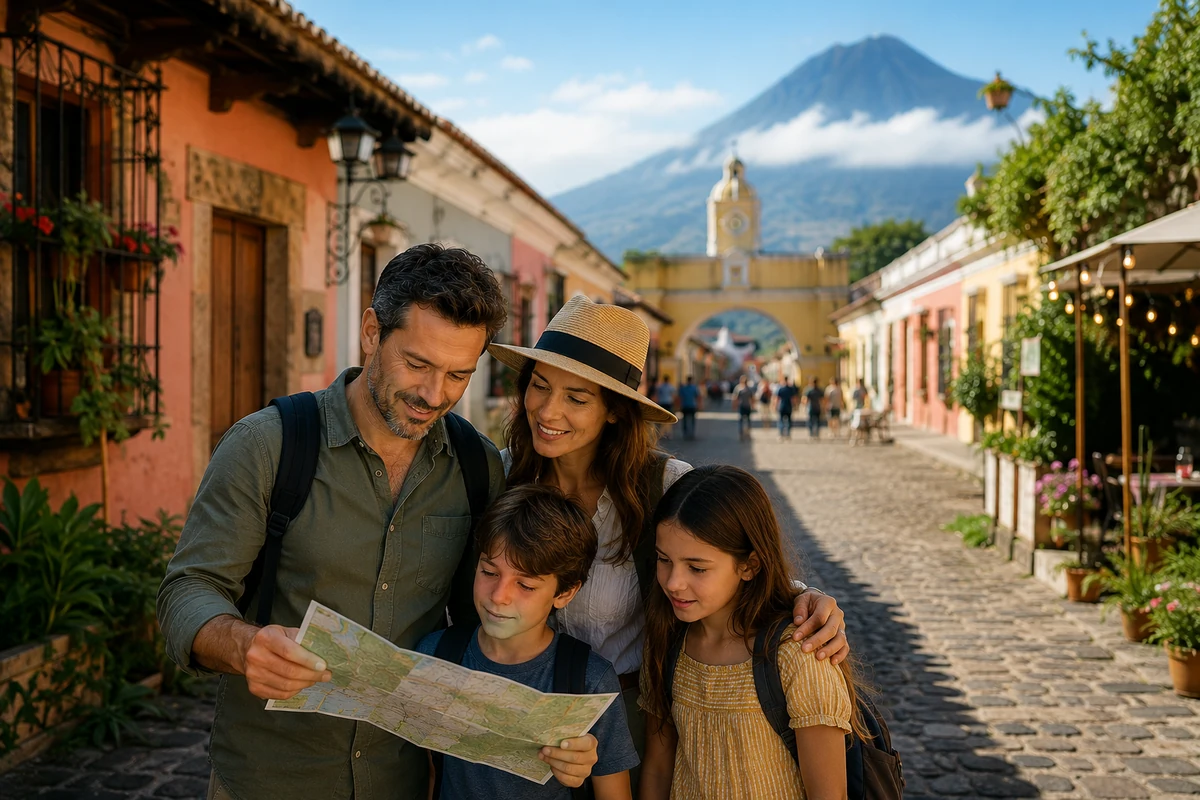
🇬🇹 4. Antigua, Guatemala
Antigua occupies an incredibly unique, highly revered position within the global worldschooling movement. This charming colonial city effortlessly pairs rich indigenous history and jaw-dropping volcanic architecture with a vibrant, highly concentrated international presence, all packed into a safe, walkable valley.
Because of its compact geographic size, many parents find it significantly easier to build a tight-knit community for expat kids here than in massive, disconnected urban environments.
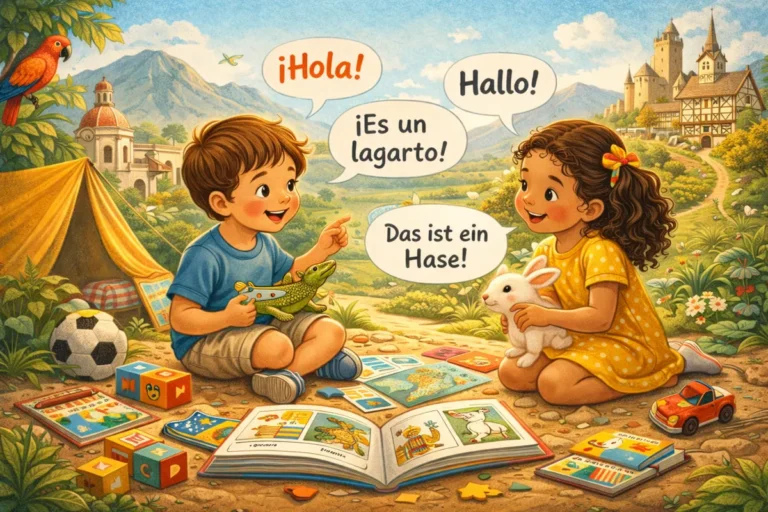
Deep language immersion is arguably Antigua’s absolute biggest selling point. Guatemala has long been celebrated globally for its high-quality, incredibly affordable Spanish-language schools and private tutors. Many traveling families use this historic town as a dedicated launching pad to establish a solid linguistic foundation before traveling further south.
Antigua Experiential Learning Guide:├── History: Spanish colonial architecture and preserved 16th-century ruins├── Science: Active volcanology studies via guided hikes up Pacaya and Acatenango├── Culture: Traditional Mayan textile weaving and historic coffee agriculture└── Language: Dozens of affordable, specialized immersive family schoolsBeyond structured language studies, educational opportunities exist around every cobblestone corner. Children can learn about geology, agricultural economics, and indigenous textile traditions through organic interactions with locals.
Antigua is a place where you rarely have to go out of your way to manufacture educational experiences; they simply happen around you as a natural part of your day.
🇧🇷 5. Florianópolis, Brazil
Florianópolis often flies under the radar in traditional English-speaking worldschooling discussions, but that lack of visibility is changing rapidly as we move through 2026.
Located on a stunning island in southern Brazil, the city affectionately known as “Floripa” masterfully pairs clean modern infrastructure, top-tier safety ratings, and excellent healthcare with breathtaking beaches and a deeply active outdoor lifestyle.
For active families who thrive on nature, surf culture, and outdoor sports, this island offers a truly spectacular environment. Children can spend their afternoons hiking coastal trails, learning to surf, or exploring marine ecosystems, all while having immediate access to premium urban amenities and hyper-reliable fiber optic internet.
- Linguistic Diversity: Immersing your children in Portuguese offers a unique cognitive advantage over standard Spanish-only tracks.
- Premium Infrastructure: Exceptionally high safety indexes, clean public spaces, and highly modern medical centers.
- Remote Work Culture: A booming local tech sector provides fantastic networking and coworking options for professionals.
While living costs here can trend higher than in neighboring Andean countries, the sheer quality of life, physical safety, and vibrant outdoor culture make the financial trade-off entirely worth it for many households. It is a brilliant option for families looking to experience the warm, rhythmic culture of Brazil within a highly secure, modern environment.
🤝 Community Matters Most
Choosing the right city on paper is a great start, but actively choosing and building your immediate social circle will always dictate your ultimate success. Many experienced parents eventually realize that their children’s deep friendships and consistent social interactions have a significantly greater impact on daily happiness than famous tourist attractions or beautiful views.
When you are researching a potential new base, intentionally dedicate your time to seeking out active homeschooling networks, local sports clubs, language exchanges, and organized family meetups. Kids certainly crave adventure, but they fundamentally require deep peer connections to feel grounded.
Expert Tip: Before booking long-term accommodation, join the local digital nomad families Mexico or South America social media groups to verify where families actually gather. Living within walking distance of the main family hub saves hours of transit time.
For parents who worry about how these non-traditional paths affect social development, it is highly reassuring to explore the reality behind common socialization myths about homeschooled expat children. Building a reliable local circle ensures that your children grow up with a healthy sense of belonging, no matter where they are in the world.
⚖️ Avoid Chasing the Perfect Location
One of the most common traps that remote working parents fall into is spending months searching for the completely flawless, compromise-free destination. The simple reality is that the perfect location does not exist. Every single city on Earth comes with its own unique set of operational trade-offs.
One destination might offer mind-blowing affordability but feature slower internet speeds and weaker infrastructure. Another might boast world-class hospitals and pristine safety but come with a premium price tag. A third might offer unparalleled cultural depth while requiring a much longer, more frustrating language adjustment period for your kids.
The Alignment Framework:├── Assess your family's core priorities (Budget vs. Infrastructure)├── Identify your children's current developmental and social needs└── Choose a city that supports your lifestyle, not just your bucket listSuccessful, long-term global education families focus far less on finding abstract perfection and much more on finding functional alignment. The question you should be asking yourself is not whether a city is completely flawless, but whether its specific strengths support the unique lifestyle and educational goals you want to build for your household.
📈 Creating Stability Within Mobility
The most successful and sustainable worldschooling families are rarely flying by the seat of their pants; in fact, they maintain a surprising amount of internal structure. They prioritize consistent morning routines, dedicated reading hours, shared family meals, and predictable learning schedules.
International travel can enrich a child’s worldview in ways that traditional schooling cannot match, but internal family structure provides the safe emotional foundation that makes those external experiences truly meaningful.
To understand how international standards validate this balanced approach, you can read about global benchmarks on the official UNESCO education overview platform.
Daily Anchors for Nomadic Kids:├── Predictable wake-up times and morning learning blocks├── Regular, non-negotiable family dinner routines└── Consistent chore expectations, regardless of the accommodationThe absolute best regional hubs are the ones that gracefully support both exciting weekend exploration and quiet, focused weekday consistency. Striking that healthy balance is ultimately what separates a sustainable, multi-year worldschooling lifestyle from a exhausting state of perpetual tourism.
🗺️ Final Thoughts on Regional Bases
As we progress through 2026, Medellín, Mexico City, Cuenca, Antigua, and Florianópolis continue to lead the pack as the most dynamic worldschooling hubs across Latin America. Each of these distinct destinations provides an excellent mix of deep cultural immersion, experiential learning opportunities, practical infrastructure, and welcoming communities.
Your family’s ideal choice will ultimately depend on your specific professional requirements, monthly budget, language acquisition goals, and long-term educational vision.
What matters most is not finding the absolute most exciting destination on paper, but finding a place where your children can genuinely grow, learn, build lasting relationships, and develop a quiet confidence.
When this lifestyle is executed thoughtfully, travel ceases to be mere movement from one country to another; it transforms completely into the core of the education itself.